Here's what nobody explains clearly
Hormonal changes affect pleasure. They do not erase it. Most conversations about hormones and sex fall into two unhelpful camps: "everything stops working" or "nothing changes, relax." Both miss what's actually happening in your body and what you can do about it.
I work with couples navigating these transitions constantly. The pattern is always the same. Sensation shifts, response time lengthens, initial intensity drops. Then panic sets in. Then people either give up or white-knuckle their way through it, assuming the old approach will work if they just try harder. It won't. Your body isn't broken. It's asking for a different strategy.
What hormonal fluctuations actually change
Let me map this out plainly. When hormones shift—whether from birth control, perimenopause, postpartum recovery, or other transitions—three things happen physiologically:
Tissue thickness decreases, especially in the vulva and vaginal wall. Estrogen keeps that tissue plump and elastic. When estrogen drops, tissue becomes thinner and more delicate. This isn't damage. It's a real change that affects what feels good.
Lubrication capacity changes. Your body produces less natural lubrication during certain hormonal states. This doesn't mean you're "dry" in a problem sense. It means the timeline is different. You need more warm-up time, or you need external lubrication, or both.
Blood flow to the genitals shifts. Arousal relies on increased blood flow to create that engorgement and sensitivity. When hormones change, this process can take longer to kick in. The pathway is still there. The on-ramp just got longer.
Here's what does NOT change: nerve density in the clitoris, your brain's capacity to experience pleasure, your ability to orgasm, or your desire itself (though sometimes desire feels like it vanished—usually it's just buried under stress or disconnection).
Why lemon clitoral vibrators work differently during hormonal shifts
This is where it gets practical. Traditional vibrators rely on direct friction and speed. If your tissue is thinner or more sensitive, or if you need longer warm-up time, that relentless buzzing can feel harsh or even painful.
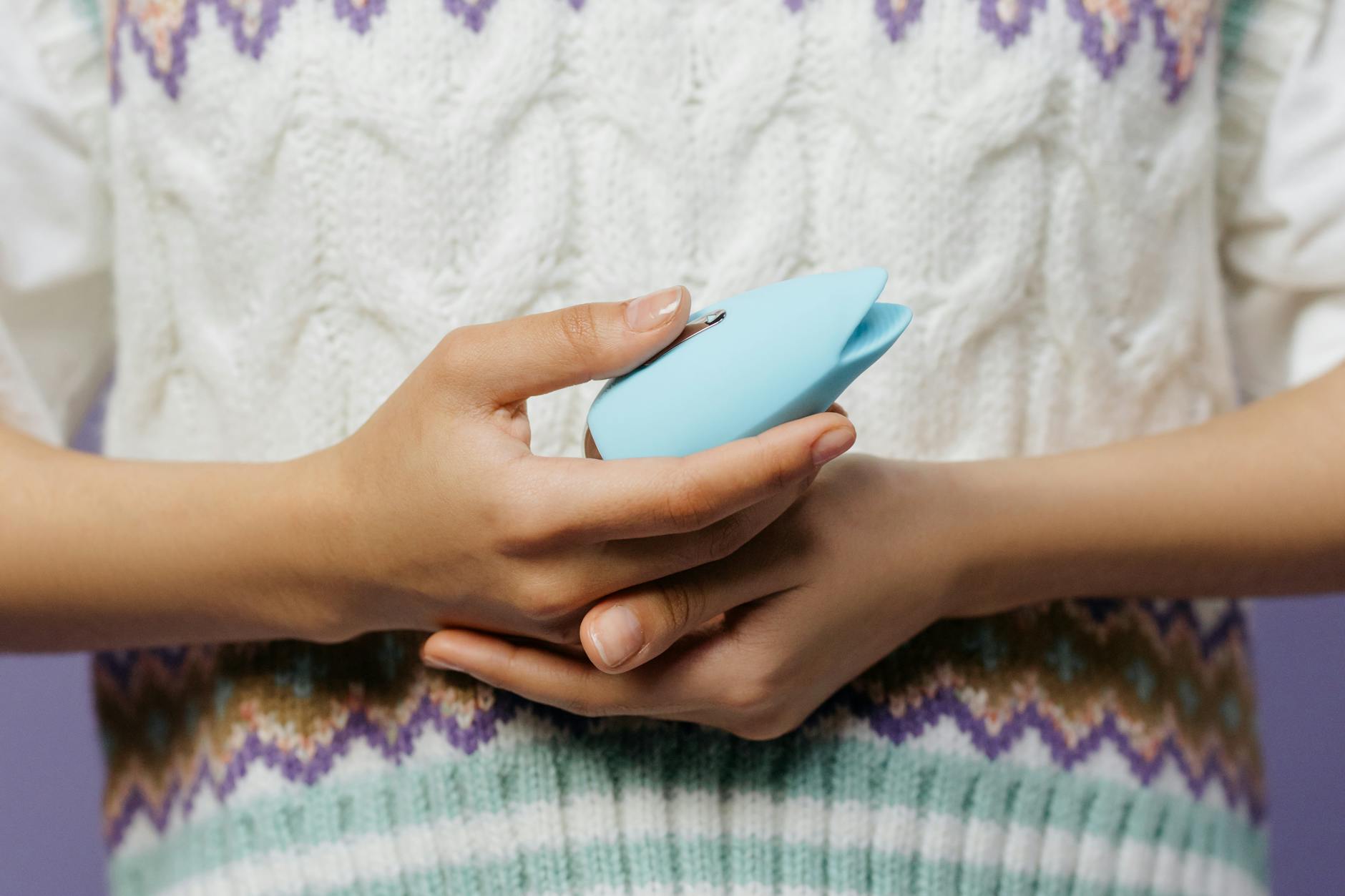
Lemon suction vibrators like those from Lemon Vibrator work on a completely different principle. Instead of rapid vibration, they use gentle suction patterns that stimulate the clitoris from above and around. Think of it as a soft pulse that draws rather than pounds.
During hormonal transitions, this approach has real advantages. Suction doesn't require the same direct pressure that vibration does. You can use a lemon vibrator on lower intensities without losing the sensation entirely. Suction stimulates a wider nerve cluster, which means you're getting pleasure signals from more surface area with less focused pressure. For people whose tissue sensitivity has increased, this is often more comfortable.
Second, suction creates a warm microclimate. The gentle suction and pulsing naturally keeps blood flowing to the area, which supports arousal. Vibration doesn't do this in the same way. If your blood flow response has slowed, suction helps compensate.
What changes in your pleasure timeline
Earlier warm-up matters more now. Budget 20 to 30 minutes instead of 5 or 10. This isn't a bug. Most people find that this extended time deepens their connection with their own pleasure, especially if they've been rushing through sex for years.
Start lower. If you've always used your lemon vibrator on settings 5 or 6, begin at 2 or 3 and work up. Your tissues will signal clearly when the intensity is right. This isn't compromise. It's tuning.
Lubrication becomes a tool, not a sign of failure. Water-based lubricant applied generously transforms the experience during hormonal transitions. It's not that your body is broken. It's that external lube extends the sensation and reduces any friction discomfort. Silicone-based lubes feel richer, but they damage silicone toys, so stick with water-based for your lemon clitoral vibrator.
Experiment with pressure and angle. Hormonal changes can shift what angle on your clitoris feels best. Spend time exploring this. The clitoris has internal structures that move and shift with hormonal states. Finding your new sweet spot is valuable information.
How pelvic floor tension plays a role
Here's something people rarely think about. Hormonal changes affect pelvic floor muscle tone. Lower estrogen can actually increase tension in those muscles, making them tighter and less flexible. This creates a feedback loop. Tight pelvic floor muscles make pleasure harder to access. Difficulty accessing pleasure creates anxiety, which tightens the muscles more.
Before using your lemon vibrator, spend a few minutes learning to release those muscles. Slow breathing helps. Some people use pelvic floor relaxation stretches or gentle internal massage. The goal isn't to do kegels. It's the opposite. You're learning to fully relax and release those muscles so pleasure can actually flow through your body.
Once you're relaxed, using a lemon vibrator becomes about pleasure building rather than effort. The suction and pulsing can help deepen that relaxation because the sensation feels good, not effortful.
The emotional piece (it's not small)
Hormonal transitions often arrive wrapped in other life changes. Kids, career shifts, relationship status changes, grief, aging, medical events. The temptation is to assume any change in pleasure is purely hormonal. Sometimes it is. Often it's something else wearing a hormonal disguise.
I work with people who blame hormones for disconnection that's actually about not feeling heard by their partner. Or shame about aging. Or unresolved stress and anxiety. These things absolutely affect pleasure and response. Swapping to a lemon vibrator won't fix them, though a tool that feels good can help you reconnect with your body while you work on the bigger stuff.
If you're partnered, the most valuable conversation isn't about your vibrator. It's separate. "My body is responding differently" is a factual observation. "I need us to reconnect" is emotional and relational. Untangling those two conversations helps both of you show up more skillfully.
Photo by FounderTips on Pexels
When to reach out for more support
If pleasure has vanished entirely and isn't returning after you've adjusted your approach and given it genuine time, that's worth exploring with a healthcare provider. Sometimes it signals something treatable. Sometimes it's pointing you toward a deeper conversation about what you actually want.
If pain appears during sex when it didn't before, don't wait. Genitourinary syndrome (often called GSM) is real and highly treatable, usually with topical creams that work quickly. A doctor who specializes in sexual health can help within weeks.
If desire has genuinely flatlined and feels disconnected from pleasure itself, hormonal testing and therapy might both help. You deserve support from people who understand that hormonal transitions are real and also worth exploring fully.
One more thing. Sometimes hormonal changes create an opening rather than a loss. People who've spent years having sex on someone else's timeline suddenly get space to explore their own pleasure. That's worth protecting. A lemon vibrator, used with intention and patience, often becomes part of that exploration.
FAQs about lemon vibrators and hormonal changes
Can a lemon vibrator help if my clitoris feels numb after hormonal changes?
Yes, often significantly. Suction creates sensation without the harsh pressure of vibration, which means your desensitized tissue can actually perceive pleasure again. Start on lower settings and take longer warm-up time. The suction pattern itself, combined with increased blood flow, frequently restores sensation faster than vibration alone. Many people find that regular use with a lemon clitoral vibrator rewires their nerve response over weeks.
How is suction different from vibration when my hormones have shifted?
Vibration delivers rapid, focused stimulation that requires good tissue resilience and adequate baseline arousal. Suction creates a pulse and draws on the tissue, which is gentler on thinner, more sensitive vulvae. Suction also warms the area through the microclimate it creates, supporting blood flow that might otherwise be sluggish during hormonal transitions. For people experiencing hormonal changes, suction often feels more sustainable and less overwhelming than intense vibration.
Do I need to use lube with a lemon vibrator during hormonal transitions?
You won't necessarily need it right away, but many people do. Water-based lubricant applied generously makes everything feel better during hormonal shifts when natural lubrication is lower. It's not because you're broken. It's a tool that extends sensation and removes friction discomfort. Always use water-based lube with silicone toys like a lemon vibrator, since silicone-based lubes can degrade the material.
Will my ability to orgasm come back after hormonal changes?
Most often, yes. Your nerve pathways are intact. Your clitoris still has all its nerve endings. What's typically happening is that the timeline has shifted and the approach needs adjusting. You might need more warm-up, different intensity levels, or a different type of stimulation like suction instead of vibration. Giving yourself grace and experimenting with a lemon clitoral vibrator on your own timeline—without pressure or comparison to how things worked before—usually brings pleasure back within weeks to months.
Can a lemon suction vibrator help with desire that's disappeared after hormonal changes?
Desire and arousal are different. A lemon vibrator can't manufacture desire if something deeper is offline—like unresolved relationship issues, stress, or shame. But it can help you reconnect with physical sensation and pleasure, which often reignites desire. Many people find that having a tool that feels genuinely good in their body gives them permission to explore what they actually want, separate from what they think they should want.
Is it normal for my pleasure response to be slower after hormonal shifts?
Completely normal. Arousal relies on increased blood flow and nervous system activation. Hormonal changes affect both. Your body isn't broken. The timeline is just different. Planning for longer warm-up time, creating space without pressure, and using tools like a lemon vibrator that support blood flow all help. Most people adapt within a few weeks once they stop comparing their new timeline to their old one.
What comes next
Hormonal transitions are not the end of pleasure. They're a pivot point. Your body is giving you information. Listen to it. Use a lemon vibrator that works with your new physiology, not against it. Give yourself the time and patience you'd give a close friend. And if you're struggling, reach out for support. This isn't something you have to figure out alone.